How to Qualify a Second Source for an Industrial TFT Module
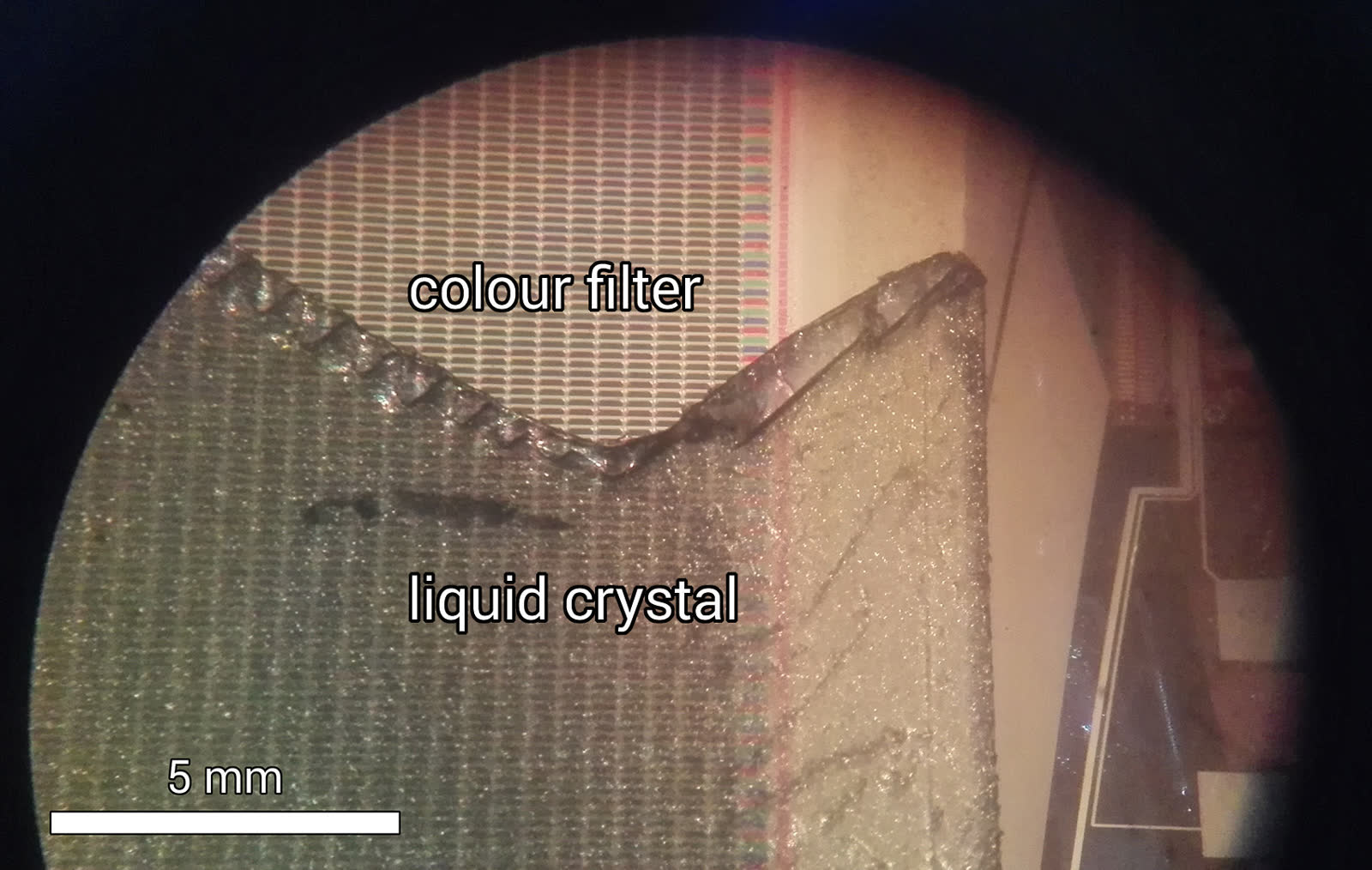
Qualify a second-source TFT with mechanical, electrical, optical, firmware, environmental, and supply comparisons plus a …
Read moreDisplay technology articles explain TFT LCD fundamentals, IPS and OLED tradeoffs, brightness, viewing angle, contrast, color behavior, interface choices, and module-level decisions for industrial products.
Qualify a second-source TFT with mechanical, electrical, optical, firmware, environmental, and supply comparisons plus a …
Read more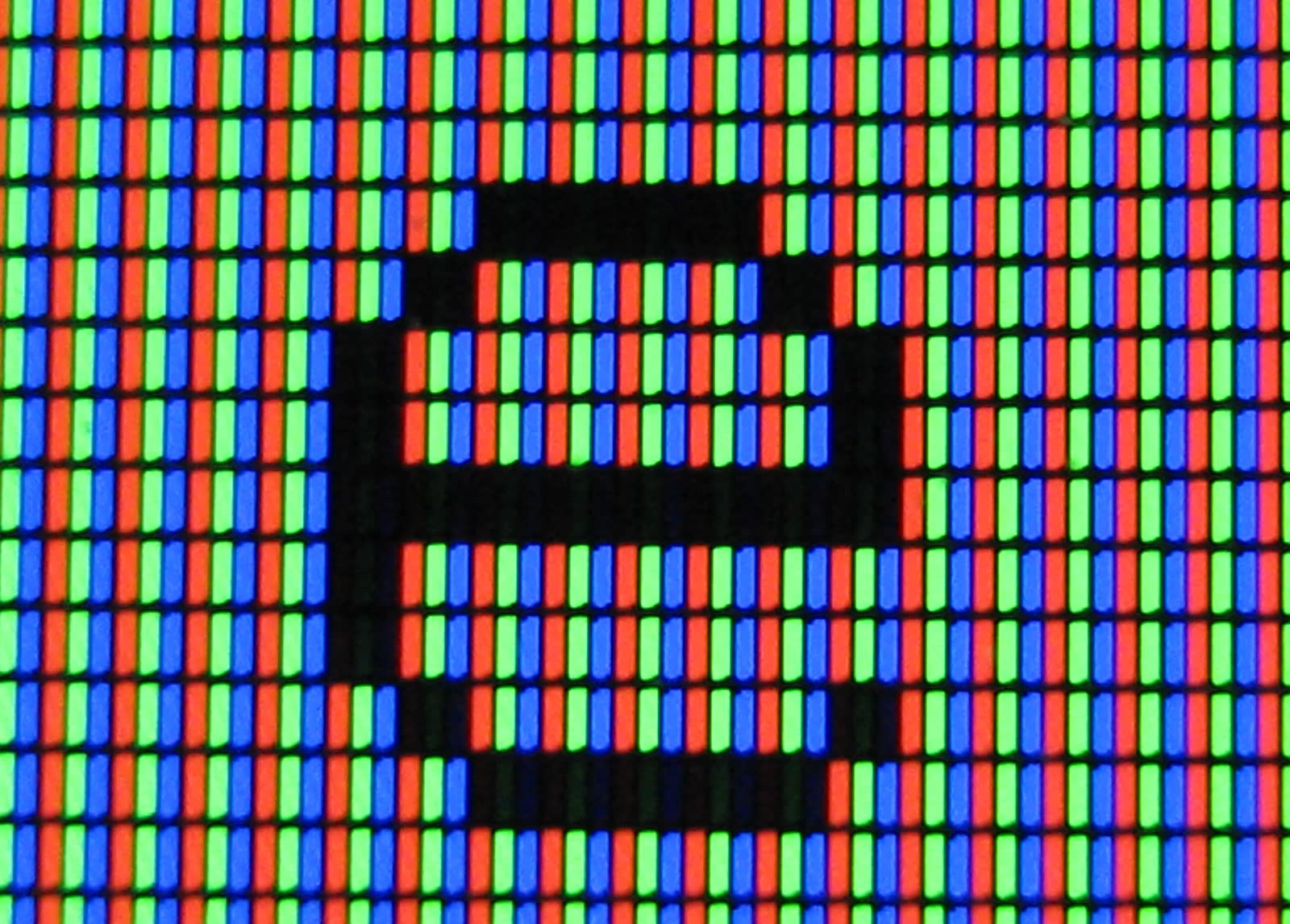
Define TFT pixel acceptance using bright and dark subpixels, cluster rules, critical zones, controlled inspection, lot …
Read more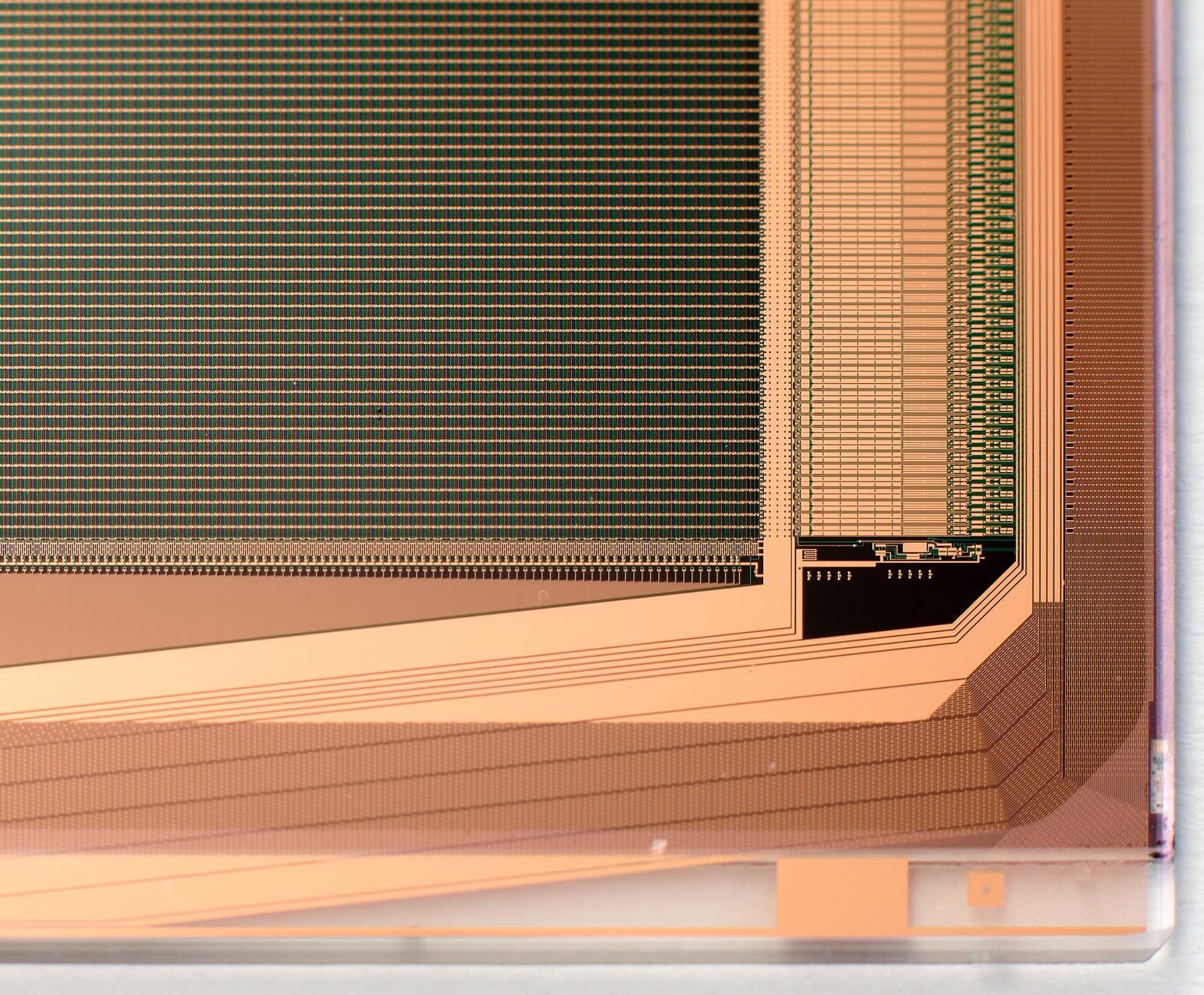
Evaluate TFT viewing angles beyond catalog limits with gray ramps, operator geometry, IPS and TN behavior, cover lenses, …
Read more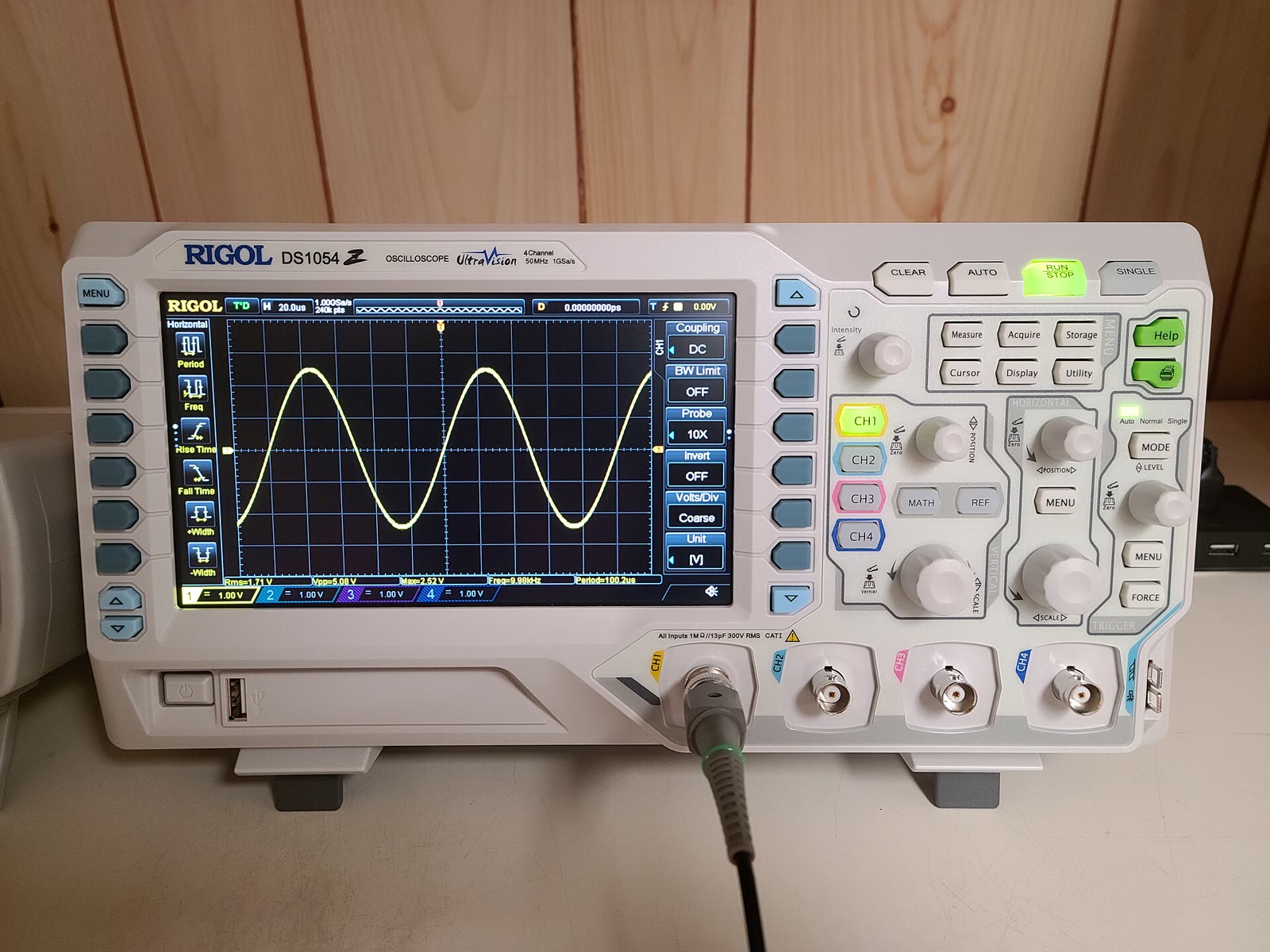
Design TFT displays for test instruments with clear measurement states, waveform rendering, responsive controls, and …
Read more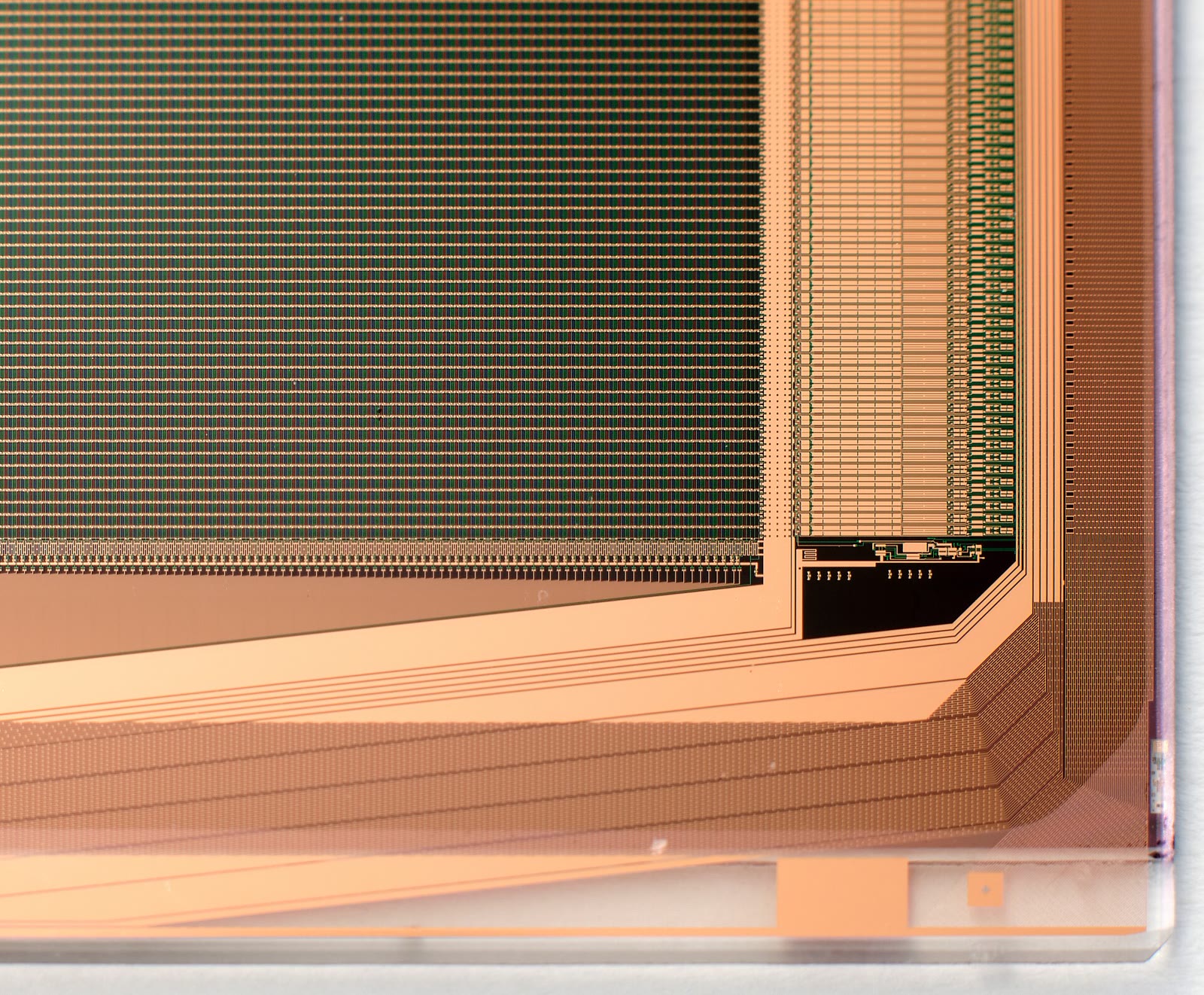
Build a repeatable TFT LCD incoming inspection process covering traceability, sampling, visual defects, electrical …
Read more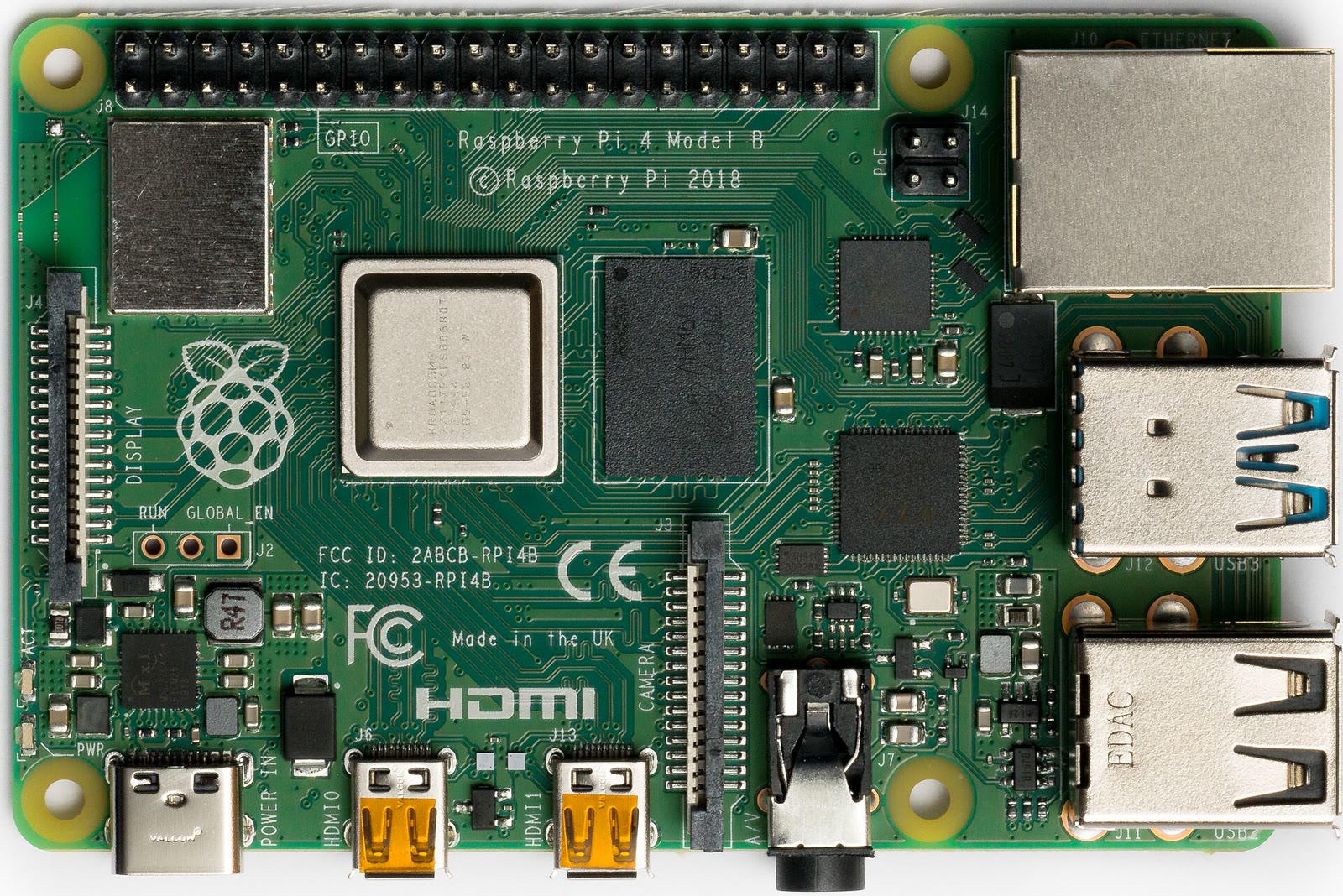
Calculate TFT framebuffer size, scanout bandwidth, redraw traffic, and stride padding, with RGB565 and ARGB8888 examples …
Read more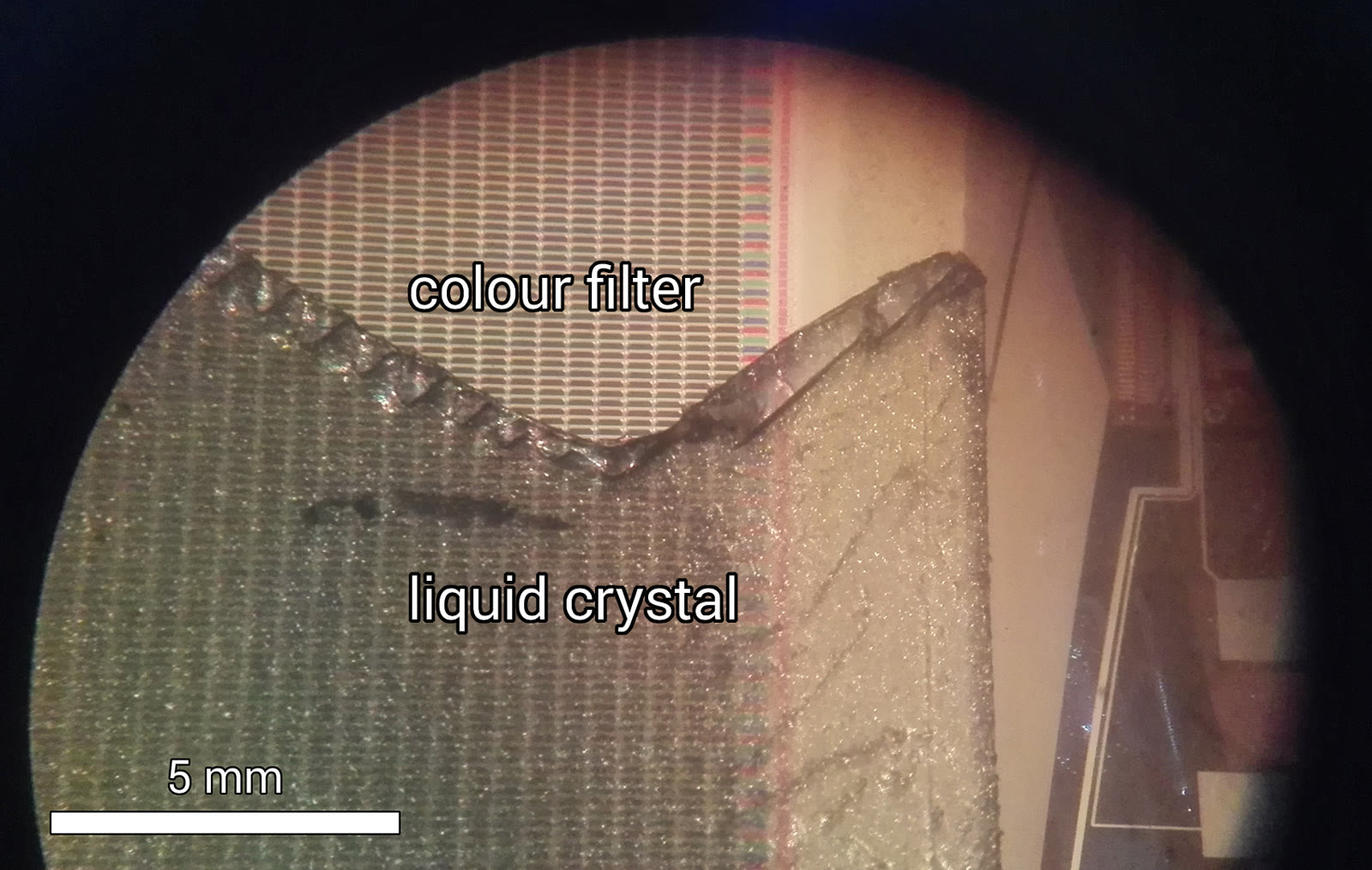
Choose industrial HMI display resolution using physical text size, viewing distance, touch targets, framebuffer memory, …
Read more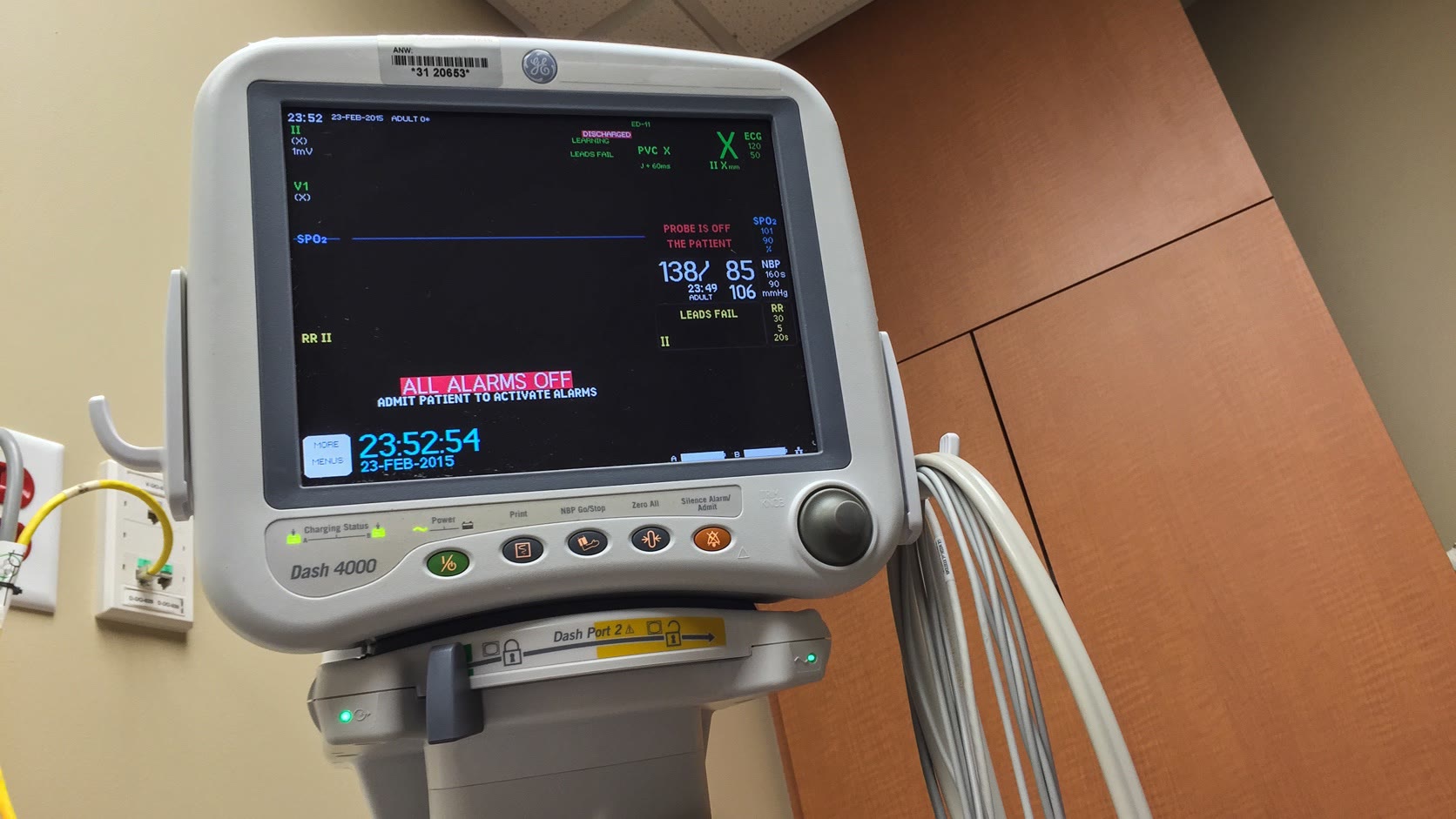
Engineering guidance for TFT displays in patient monitors, covering readability, alarms, viewing angle, cleaning, EMC, …
Read more
Compare industrial TFT and consumer LCD modules by temperature, backlight life, supply continuity, interfaces, and the …
Read moreUse these articles as a technical starting point before comparing display modules, especially when balancing image quality, cost, power consumption, lifetime, and supply stability.