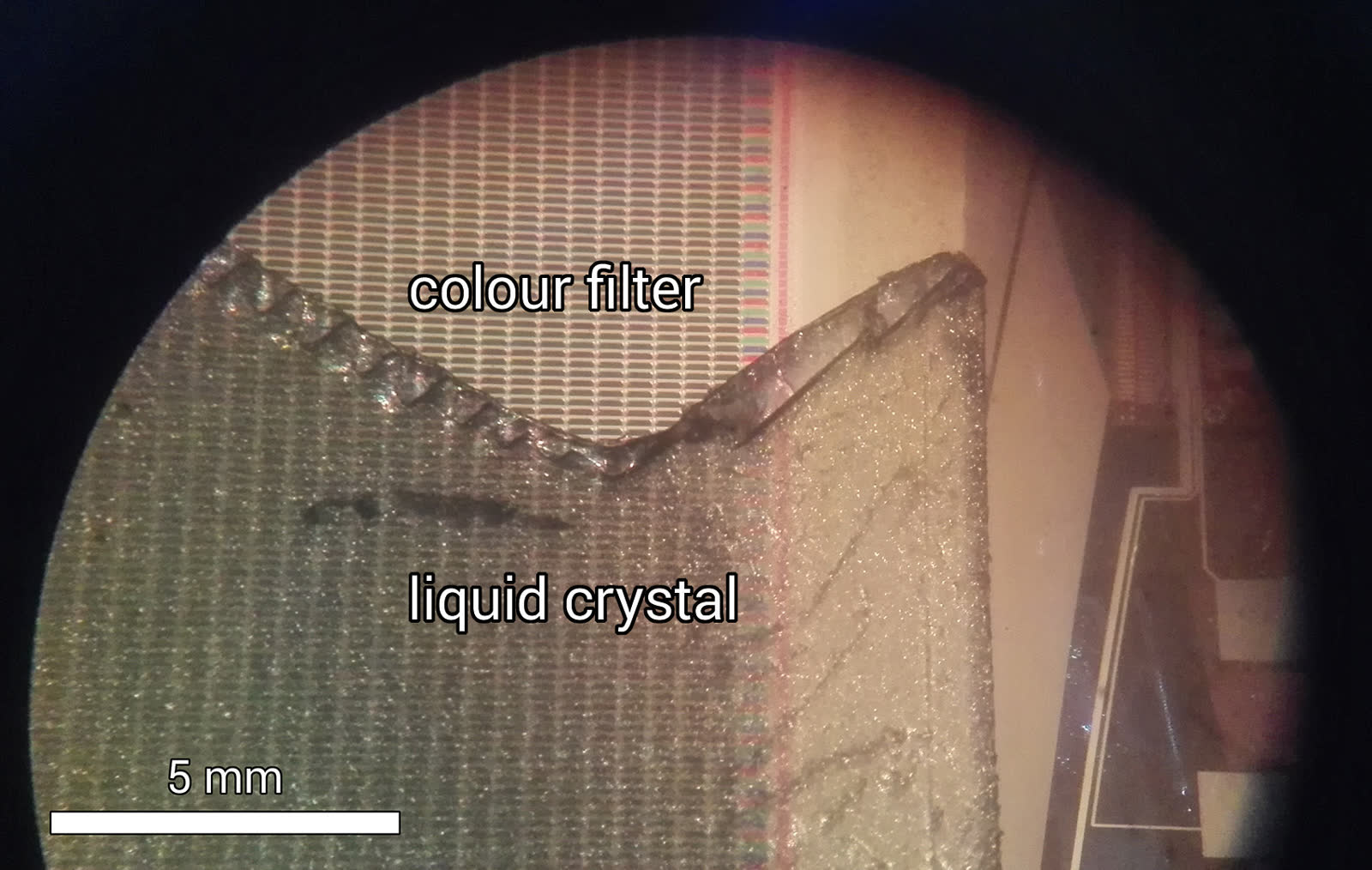
How to Qualify a Second Source for an Industrial TFT Module
Qualify a second-source TFT with mechanical, electrical, optical, firmware, environmental, and supply comparisons plus a …
Read moreQualify a second-source TFT with mechanical, electrical, optical, firmware, environmental, and supply comparisons plus a …
Read more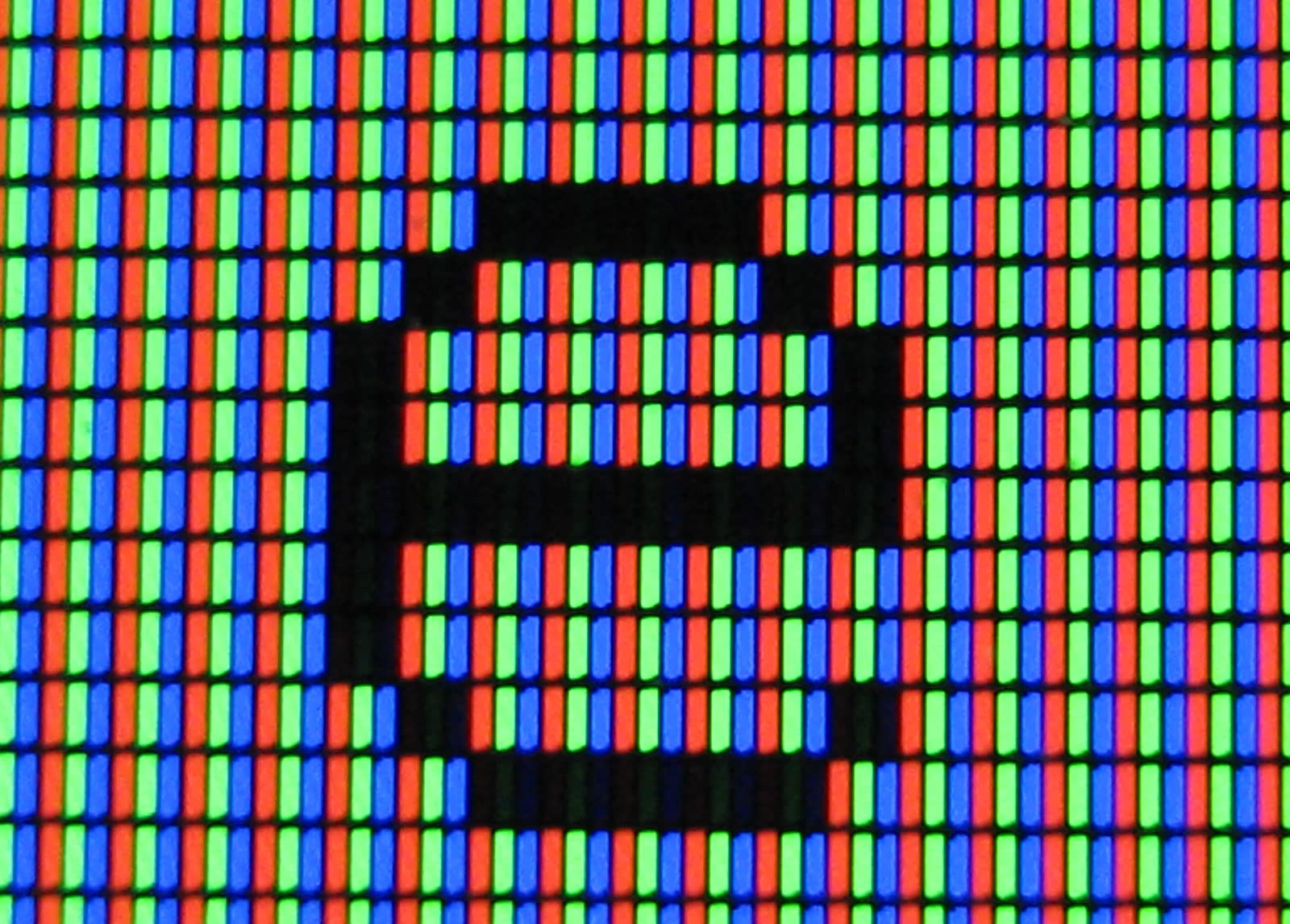
Define TFT pixel acceptance using bright and dark subpixels, cluster rules, critical zones, controlled inspection, lot …
Read more
Separate TFT operating and storage temperature ratings, cold-start readability, thermal limits, humidity transitions, …
Read more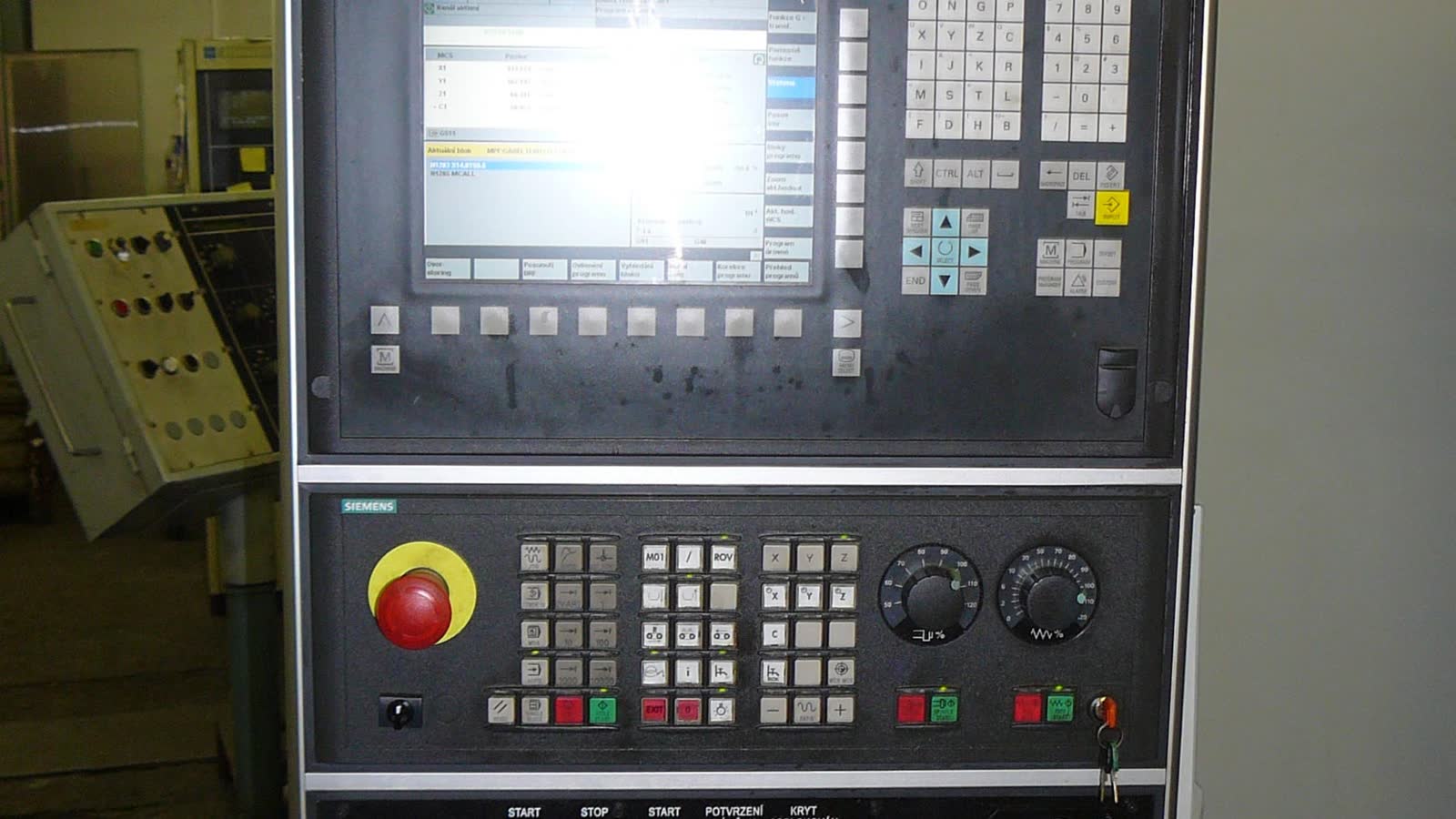
Size industrial HMI touch targets in millimeters and pixels, including glove tests, active hit regions, spacing, edge …
Read more
Evaluate TFT viewing angles beyond catalog limits with gray ramps, operator geometry, IPS and TN behavior, cover lenses, …
Read more
Specify industrial display brightness using installed luminance, ambient contrast, cover glass, dimming, temperature, …
Read more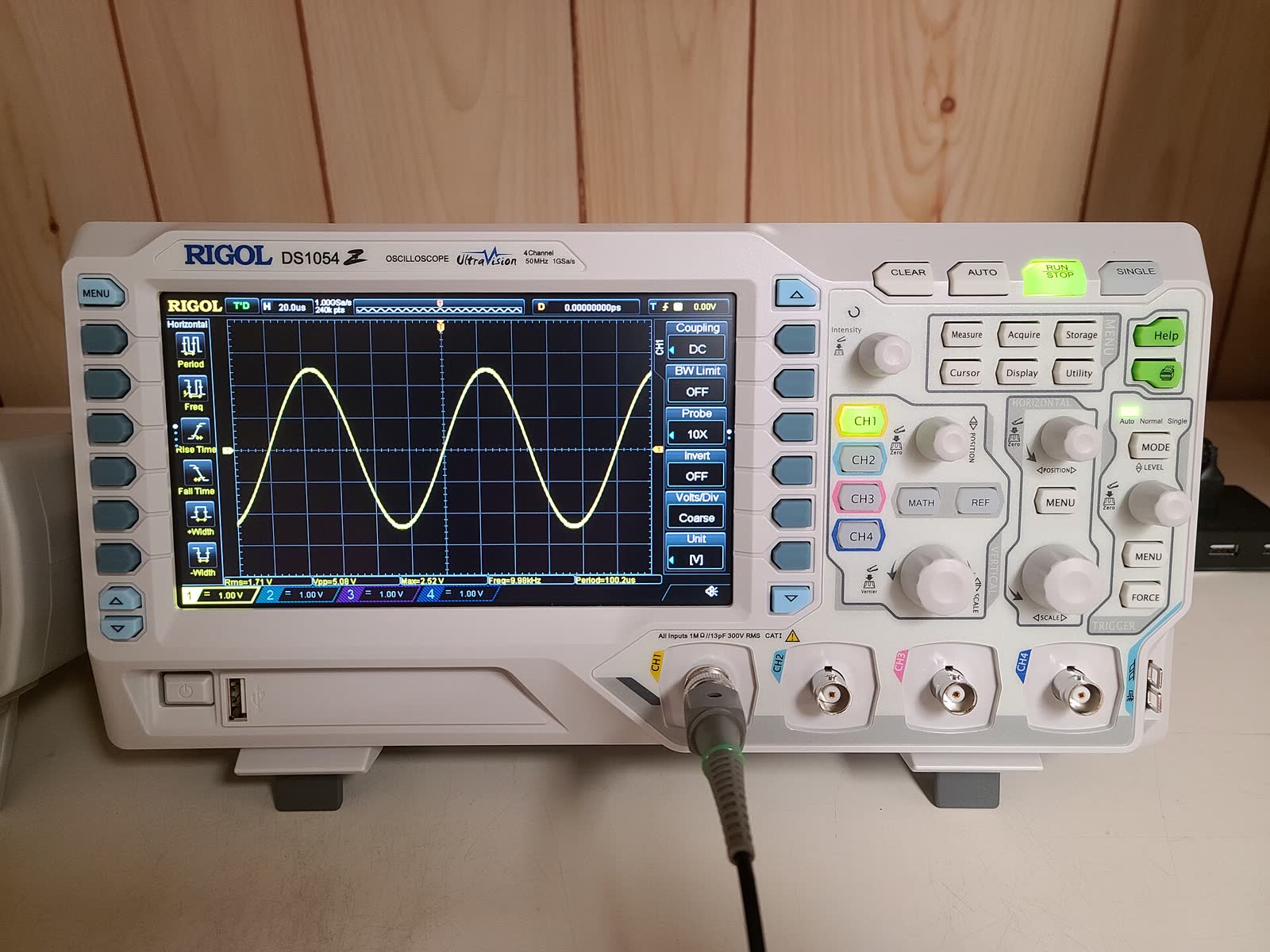
Calculate MIPI DSI lane rates with active-payload and timing-based examples, then check link format, operating mode, PLL …
Read more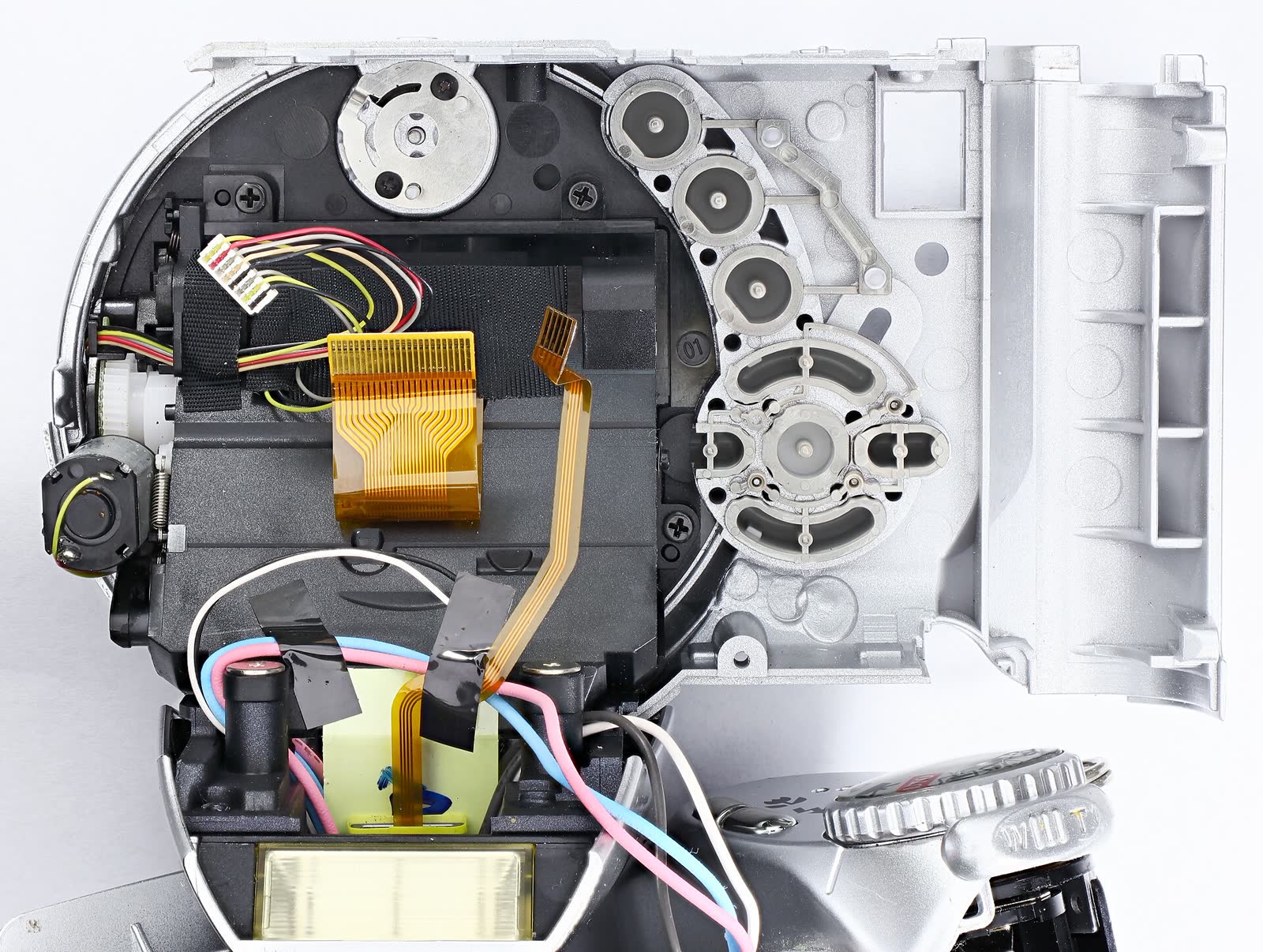
Plan custom TFT FPC pinouts, contact orientation, connector thickness, bend routing, power drop, and signal integrity …
Read more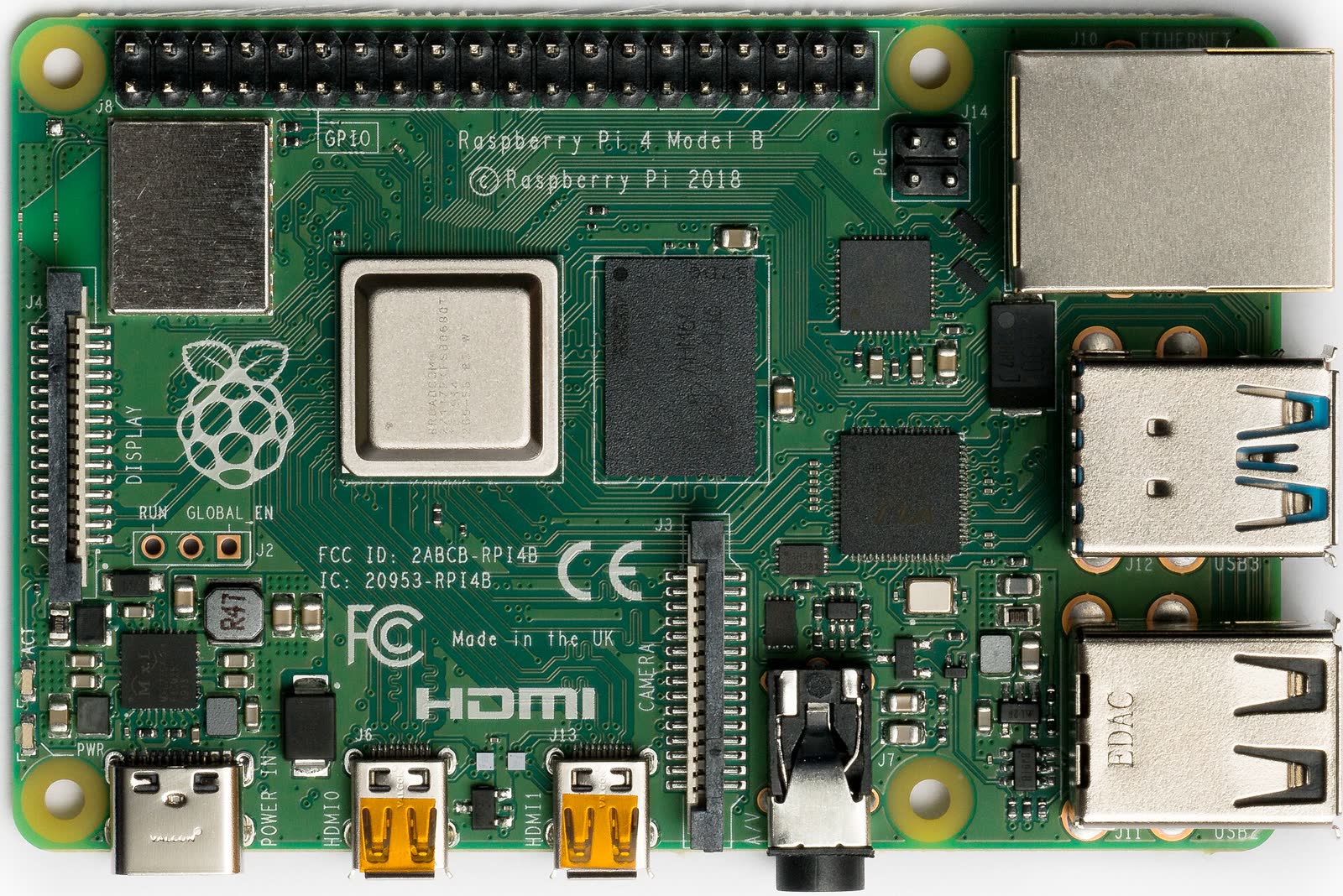
Evaluate HDMI controller boards for industrial TFTs: EDID, native timing, scaling, backlight compatibility, thermal …
Read more